"Facilities" typically refers to the physical or non-human resources that are provided to support the functioning of an organization or community. Facilities can encompass a wide range of elements, depending on the context, and they play a crucial role in ensuring the efficiency, safety, and well-being of individuals within a given space. Here are some common types of facilities:
- Office Facilities:
- Workspaces, meeting rooms, and common areas within office buildings.
- Office equipment such as computers, printers, and telecommunication systems.
- Educational Facilities:
- Classrooms, laboratories, libraries, and recreational spaces on school or university campuses.
- Facilities for sports, arts, and extracurricular activities.
- Healthcare Facilities:
- Hospitals, clinics, and medical offices.
- Patient rooms, treatment areas, and diagnostic facilities.
- Manufacturing Facilities:
- Factories and plants where goods are produced.
- Equipment, production lines, and storage areas.
- Residential Facilities:
- Housing units, apartments, or dormitories.
- Common areas, parking facilities, and recreational spaces.
- Recreational Facilities:
- Gyms, sports complexes, and fitness centers.
- Parks, playgrounds, and recreational areas.
- Retail Facilities:
- Stores, shopping malls, and markets.
- Display areas, checkout counters, and customer service spaces.
- Transportation Facilities:
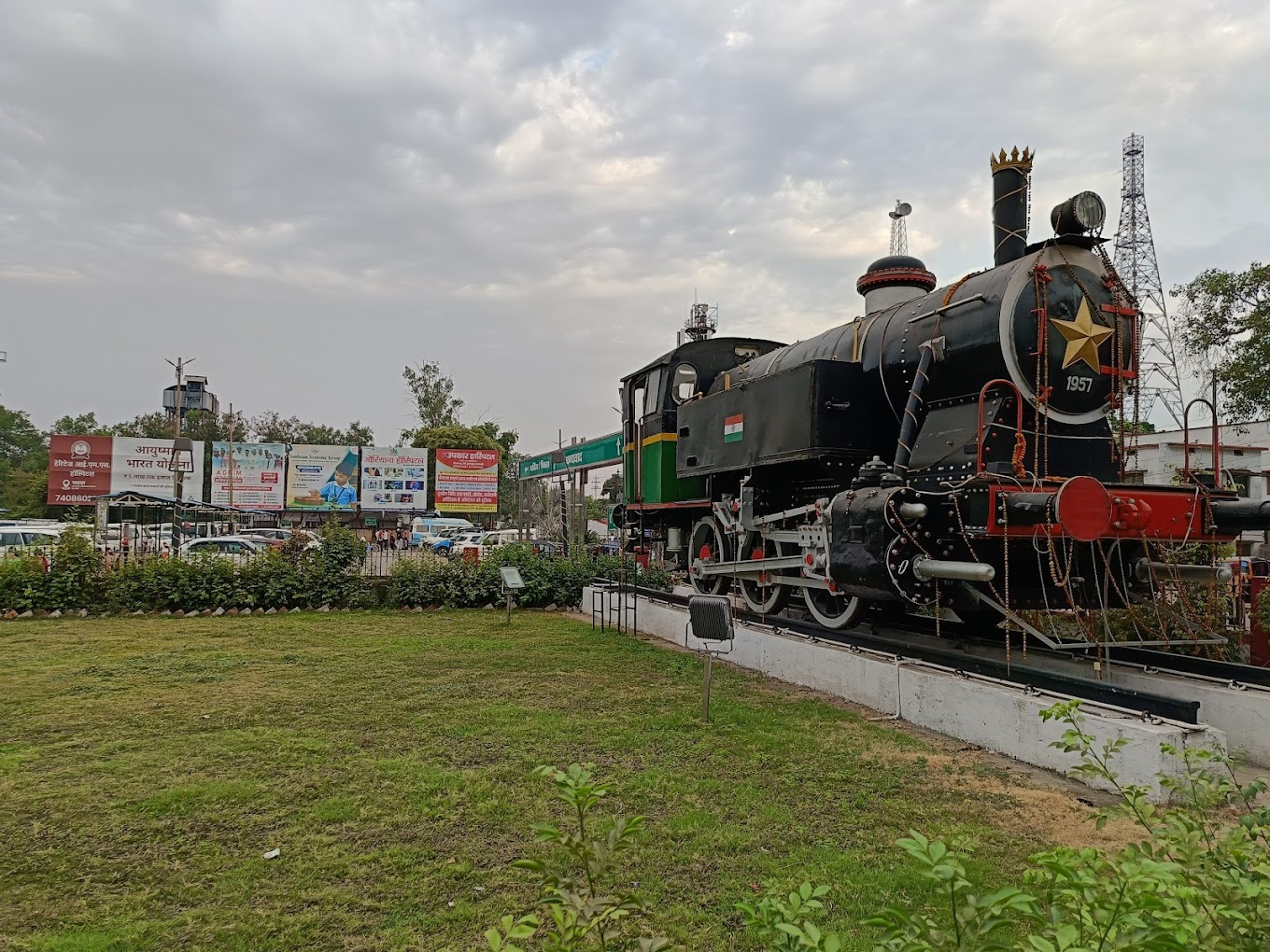
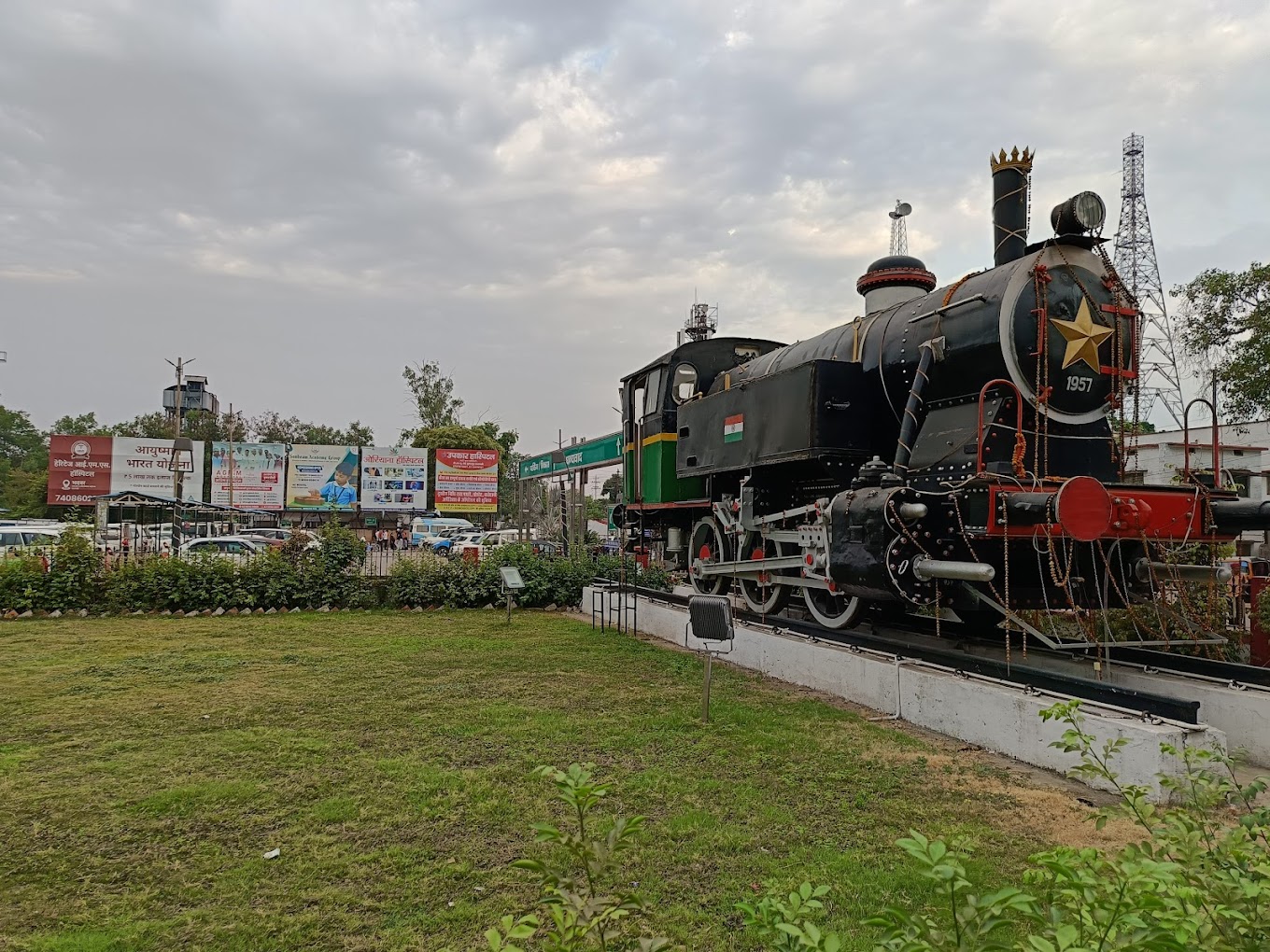
- Airports, train stations, and bus terminals.
- Parking lots, waiting areas, and transport infrastructure.
- Utilities and Infrastructure:
- Power plants, water treatment facilities, and sewage treatment plants.
- Roads, bridges, and public transportation systems.
- Information Technology Facilities:
- Data centers, server rooms, and networking infrastructure.
- IT support areas and technology-equipped spaces.
- Government Facilities:
- Government offices, courthouses, and administrative buildings.
- Public spaces for meetings and civic engagement.
- Cultural and Entertainment Facilities:
- Theaters, museums, and concert halls.
- Exhibition spaces, galleries, and performance venues.
Effective management of facilities involves planning, maintenance, and optimization to ensure they meet the needs of the users. This includes considerations for safety, accessibility, sustainability, and functionality. Facilities management is often a multidisciplinary field that encompasses various services such as maintenance, security, space planning, and environmental sustainability.